
Category: Italy

The Right Path Having Been Lost
Twenty-twenty-one was a banner year in Italy and abroad for those celebrating the life of Dante Alighieri, who died in September of 1321, in exile from his native city, Firenze or Florence, Italy. Threatened with execution, Dante spent the rest … Continue reading The Right Path Having Been Lost

Passing of Memory’s People
My readers will know how often I have mentioned the impact of my third college year in the Toscana region of Italy, principally in Siena and Firenze. Most pieces drew on my acquaintance with the Vivante family at Villa Solaia near Siena or my Florentine host family, the Chellinis. I rarely mentioned a regular guest at the Chellini’s Sunday dinners, Gustavo’s son Roberto. Then in his mid-twenties and as yet not married, he shared his passion for good food, wine, and cigars whenever he could dominate the table talk. We American ‘paying guests’ enjoyed his conversation and argued with him … Continue reading Passing of Memory’s People
Fragrant Things
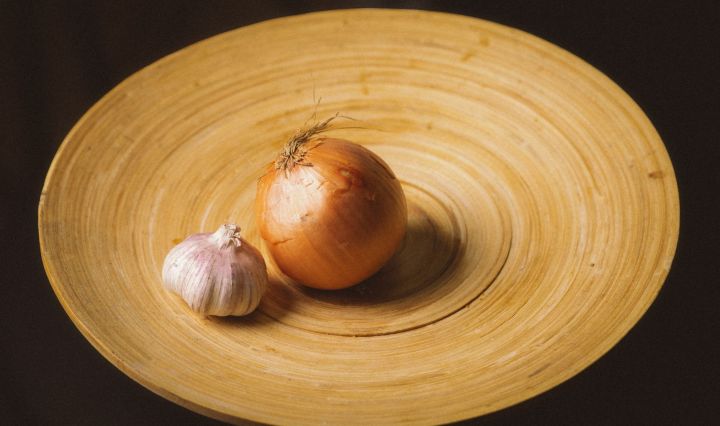
Mise en place—this French phrase describes the first step a mindful chef or cook takes in preparing a meal. Many cookbooks instruct those who follow their recipes at home to do so. When preparing ingredients based on taste, experience, or the tyranny of a recipe, a cook will sort, wash, chop, dice, mince, julienne, measure, sift, or melt each item for the intended dish. She also will ensure that all pots, pans, cutting boards, knives, stirrers, sorters, and smashers are in place before preparation begins. My go-to mise en place for nearly every hot dish I cook (yes, even pancakes) … Continue reading Fragrant Things

No Regrets
She leaves the book splayed on her breakfast table and rinses her cereal bowl in the sink before returning to the table with a small cup of coffee. Her electric espresso machine makes a doppio nearly comparable to those she … Continue reading No Regrets
Lavinia, by Ursula LeGuin
A fan of Le Guin’s writing since adolescence, I appreciated the author’s effort to amplify and enrich the Aeneid. Her novel in a way completes Virgil’s epic poem by continuing the narrative after the hero Aeneas, a Trojan survivor of the war between his state and the Greeks in perhaps the 12th century BCE, defeats and kills his opponent, the Latin, Turnus. Le Guin is not the first to do so. From Wikipedia https://en.wikipedia.org/wiki/Maffeo_… “%5BMaffeo Vegio’s (1407-1458)] greatest reputation came as the writer of brief epics, the most famous of which was his continuation of Virgil’s Aeneid…Completed in 1428, this 600-line … Continue reading Lavinia, by Ursula LeGuin

Of Love and Regret
Stories that evoke our deepest pains, like our regret for withholding love from those closest to us, like a need to fill the void of their absence, or our inconsolable calls to their spirits—in the dark, in the shower, or … Continue reading Of Love and Regret
Birdsong in the Kitchen
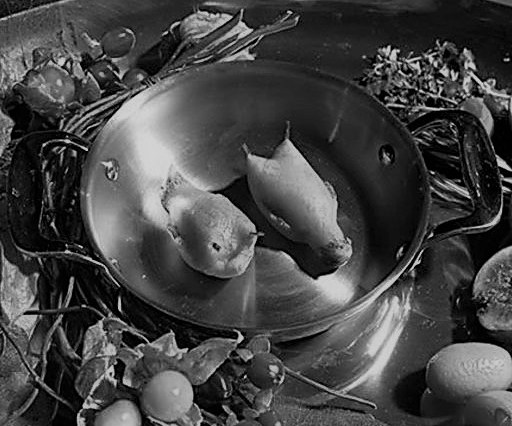
Next to the kitchen’s French doors hung a cage large enough for several uccelli or songbirds, gorging on grains and figs or singing their full-throated calls. Continue reading Birdsong in the Kitchen

A Tavola: Breakfast in Firenze
Every morning around 7:00 in casa Chellini, Teresa the all-purpose donna, housemaid, and scullion would knock on our bedroom door, ask “Si puo?”which meant, “May I come in?” and after hearing one of us answer, would enter bearing a wooden tray always set with the same objects: several thin slices of stale bread or dry toast, two small slabs of butter, a tiny pot of jam, two coffee cups and saucers, and a small pot of bitter coffee next to a little sugar dish,two tiny spoons, and a small pitcher of milk. Continue reading A Tavola: Breakfast in Firenze
In Casa Vivante, or a First Stay in Tuscany
I was nineteen years-old, far from all that was familiar, and immersed in a new language I’d only begun to study seriously a year earlier. I’ve been musing lately about those first six weeks outside Siena Continue reading In Casa Vivante, or a First Stay in Tuscany

